

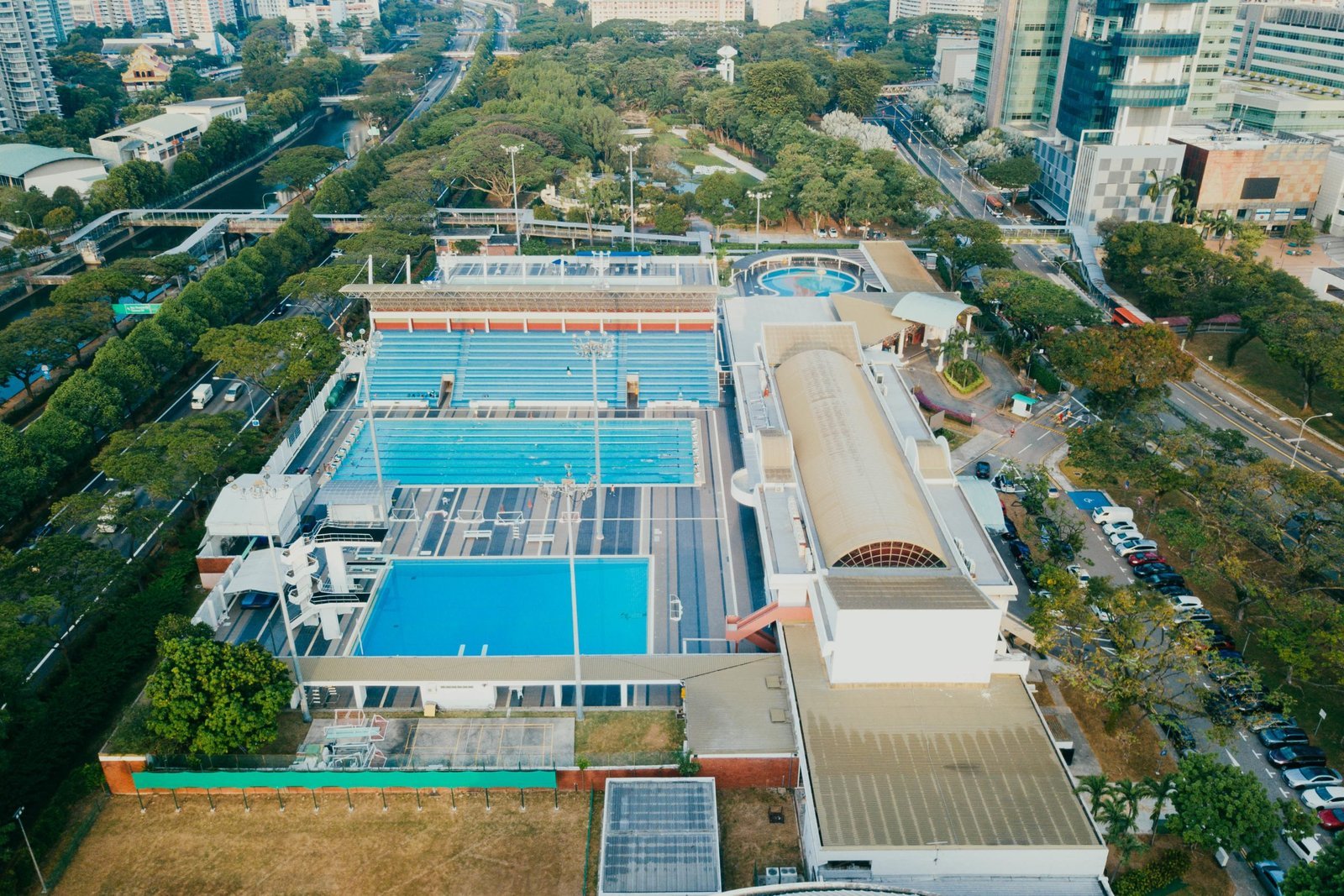
Designing, constructing, and maintaining swimming pools and hot tubs is the focus of the pool and spa construction sector. The need for qualified pool and spa contractors is growing as these leisure facilities become more widely used. Becoming a pool and spa contractor might be an excellent choice for you if you enjoy working outside and have an eye for design.
How to become a pool and spa contractor, including schooling and work experience needed, licencing procedures, and certification tests. The typical services offered by pool and spa builders will be discussed as well, including design, planning, excavation, and site preparation.
This article will give you an in-depth look at what it takes to become a pool and spa contractor, whether you’re a veteran trying to switch careers or just curious about a new field of work.
Residential Vs Commercial Pool Contractor
A residential pool contractor, as the name implies, focuses solely on domestic pools. It is possible to construct significantly larger public pools for parks, schools, and other high-use facilities if you are licenced as a commercial pool constructor. A contractor needs the appropriate certification for the kind of job they want to conduct. There is no harm in earning your home pool contractors licence and taking advantage of the booming market for such services, even if you have no plans to ever embark on large-scale public pool building
Compensation for a worker in the Pool and Spa Industry
A pool and spa builder’s income may change based on their years of experience, where they work, and the company they work for. The median annual salary for construction managers in the United States was $97,180 in May 2020, according to data from the Bureau of Labour Statistics. This can include managers in the pool and spa building business. Earnings in the pool and spa building business may vary from this estimate.
As of September 2021, the average annual income for a professional in the pool and spa construction industry was $55,000, according to salary data aggregator Payscale.com. This number, however, may vary anywhere from $33,000 to $90,000 based on criteria including years of experience, geography, and the size of the business, among others.
It’s worth noting that a person’s salary might rise as they gain job experience and a reputation for producing high-quality results. Those who build pools and spas for a living also stand to profit from becoming their own boss. While individual salaries in the pool and spa building industry may vary, the industry as a whole offers good potential for success financially.
How to Get Started in the Pool and Spa Industry
Here are some guidelines to follow if you want to enter the field of pool and spa construction:
If you want a career in pool and spa building, you need study construction and engineering first. One option is to pursue higher education in the field of civil engineering, construction management, or a similar area. Certificate programmes in pool and spa building are also available at several community colleges and technical institutes.
The best approach to learn pool and spa building, like most other construction crafts, is to get your hands dirty. You might learn the ropes by starting out as an apprentice or taking a low-level position with a pool building firm. Working as a general labourer or assistant on a building site is another way to get your feet wet in the industry.
If you want to build pools and spas for a living, you’ll need to become licenced as a contractor. The following are the prerequisites for obtaining a licence:
Conducting a History Verification
Background checks are often required of anyone seeking employment as pool and spa building contractors in the majority of states. This verification is done to ensure the applicant does not have any criminal convictions that would prevent them from being issued a licence.
The Florida Department of Business and Professional Regulation (DBPR) specifies that applicants must use a DBPR-approved supplier for electronic fingerprinting services in order to satisfy this requirement. One of the most often utilised authorised suppliers is the Florida Electronic Fingerprinting Service.
Obtaining a Licence Application
The application process can begin once the background check has been completed. Each state has its own application procedure.
Insurance certificates, financial records, or a surety bond may be needed to operate in some jurisdictions.
Preparing for the Test
After being accepted, you’ll need to show off what you know about building pools and spas by taking a test. Topics including building codes, design theory, and construction methodology are often on the test.
The licencing board in your state may supply study materials or you may have to pay for them yourself.
Acquiring One’s Permit
If you pass the test, you’ll get your certification and can start a new career as a pool and spa builder.
Be careful to check with your state’s licencing board to see if there are any extra requirements for continuing education and training in order to keep your licence current.
Making connections is crucial in the construction industry. Connect with local contractors and suppliers by attending industry events, joining professional organisations, and making personal connections in the field. This is a great way to network with potential employers, identify role models, and keep abreast of developments in your field.
Although it’s not necessary, certification as a pool and spa building specialist might boost your reputation with clients. A variety of certifications are available to pool and spa builders, designers, and technicians via the APSP (Association of Pool and Spa Professionals).
The pool and spa building market is dynamic in the same way that every other market is. Attending industry events, subscribing to trade journals, and enrolling in continuing education courses are all great ways to stay abreast of the latest developments in the field.
If you want to make a living building pools and spas, follow these guidelines.
Duties of a Pool/Spa Contractor
Professionals in the field of planning, constructing, and maintaining swimming pools and spas are known as “pool and spa contractors.” These responsibilities call for a unique set of abilities, including technological know-how, originality, and meticulousness.
Pool and spa contractors build attractive and useful outdoor areas by collaborating with customers and overseeing every step of the construction process.
A pool and spa contractor often does the following types of work:
Creation and Preparation:
With the client’s input on criteria including space availability, money, and desired amenities, pool and spa contractors design and arrange the layout of a swimming pool or hot tub. To aid the customer in visualising the end result, they may produce 3D models and mockups.
Creation and Preparation:
Excavation and site preparation are supervised by pool and spa professionals. This includes clearing the area of any impediments, levelling the ground, and providing adequate drainage. In some cases, they may build retaining walls or other structures.
Construction of a Spa or Pool:
A pool or spa’s plumbing and electrical systems are only two of the many aspects that pool and spa contractors manage. Waterfalls, slides, and special lighting might also be added.
Maintenance and Repair:
Contractors specialising in pools and spas should be called if the pool or spa needs cleaning, chemical treatment, or an inspection of its components. Leaks can be repaired, tiles can be replaced, and pumps may be fixed if necessary.
Use your Veteran's Benefits to Study Pool and Spa Construction
Veterans may become successful professionals in the Pool and Spa Construction industry by taking advantage of VA benefits and other training and education opportunities.
Veterans who wish to use their VA education benefits towards a career in the Pool and Spa Construction industry have access to a number of different courses and programmes.
The Post-9/11 GI Bill, the Vocational Rehabilitation and Employment Programme, and the Montgomery GI Bill are all examples of such initiatives.
The New Post-9/11 Veterans Assistance Act :
Eligible veterans can receive funding for their education and training thanks to the Post-9/11 GI Bill, which includes assistance with tuition and fees, a housing allowance, and a stipend for books and supplies. This benefit may be used by veterans to get an associate’s or bachelor’s degree in construction management, which can help them further their careers in the pool and spa industry.
Vocational Rehabilitation and Employment Program:
Veterans with disabilities incurred in service may get assistance through the Vocational Rehabilitation and Employment Programme. Services such as career guidance, education, job placement, and accessibility modifications are all part of this programme.
Benefits of the Montgomery GI Bill:
Veterans who have served in the armed forces and meet certain requirements are eligible to receive benefits under the Montgomery GI Bill. This benefit can be used by veterans to earn a trade certification or two-year degree in a sector like plumbing or construction.
Veterans can also participate in apprenticeships or on-the-job training programmes through unions or industry organisations, in addition to those given by the VA. These courses can pave the road to a career as a licenced contractor by combining classroom learning with practical practise.
Do I Need A Pool Builder’s License To Construct A Pool In Florida?
YES! Building a new pool or spa in Florida requires a permit from the state. Do not start digging until you have hired a licenced contractor to handle the project’s planning, building, and inspections.
The construction of a swimming pool involves business, art, and science. For this reason, the building of swimming pools is a highly regulated sector that requires applicants to demonstrate competence in areas such as management and finance in addition to technical expertise. There is a necessity for both testing and expertise in these areas. This is done for the protection and security of the people who pay experts to provide these services.
Last Words
Pool and spa construction services are in high demand, therefore veterans have plenty of room to expand in this industry. Veterans who are interested in pursuing a career in the pool and spa building industry can do so by using VA benefits and taking the proper requirements.
Building pools and spas may be a lucrative and satisfying job choice for veterans. Veterans may further their careers by taking advantage of the perks the VA offers for higher education.
It entails finding a good training programme, enrolling in it, acquiring experience through apprenticeships and on-the-job training, getting the appropriate certificates and licences, and then either starting one’s own firm or finding a position with an existing one.